

By Diagram Insights
Published: 2026-10-22 | 8 min read | Region: Asia-Pacific, Singapore
Topics: Alzheimer’s disease, dementia, diagnostics
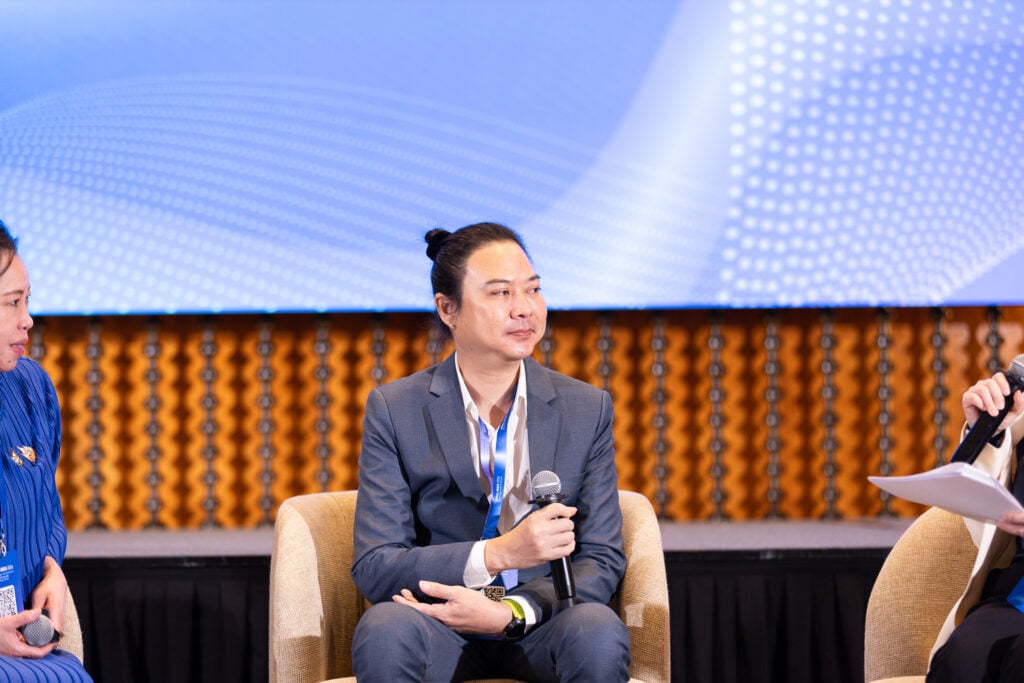
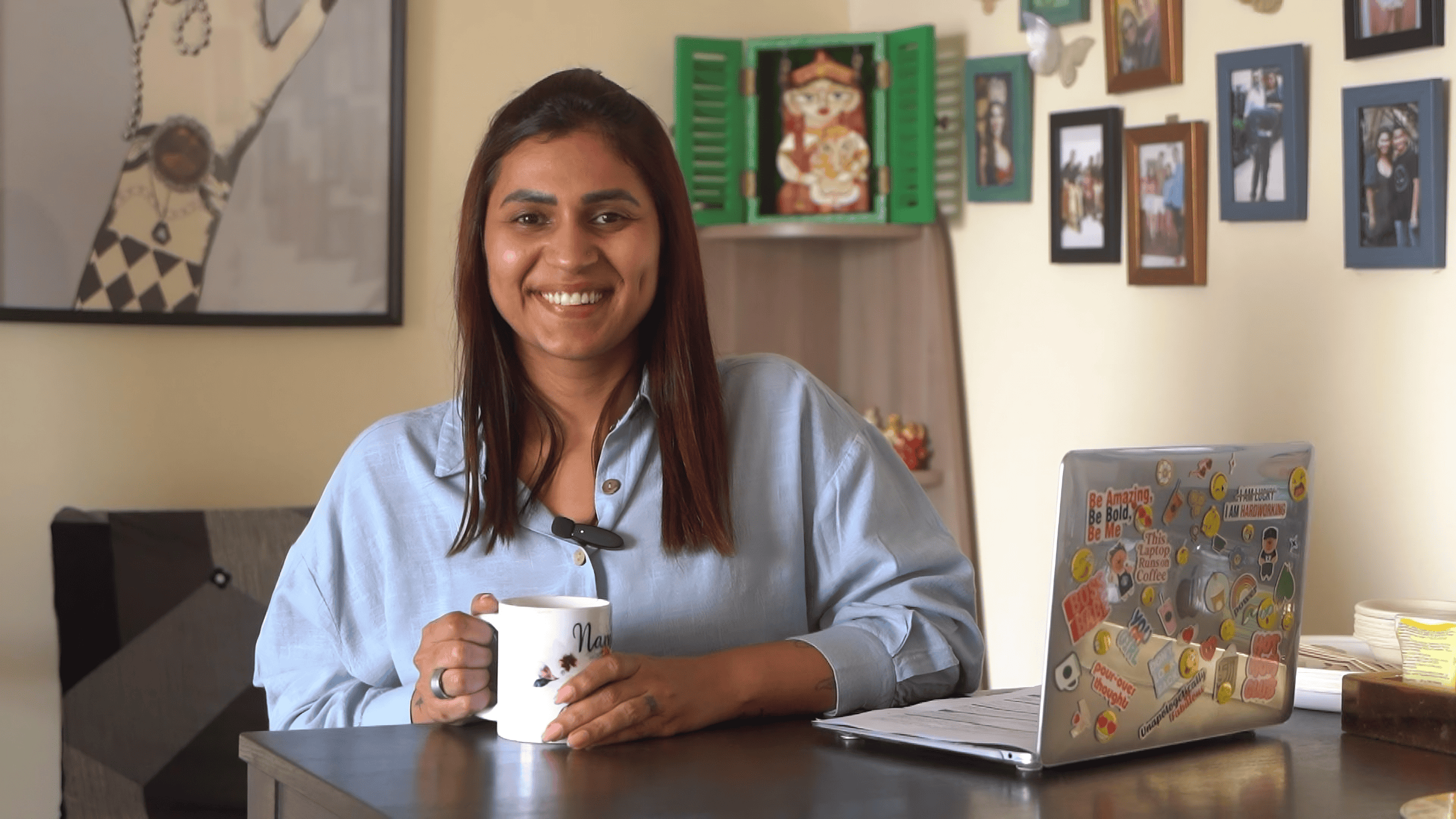
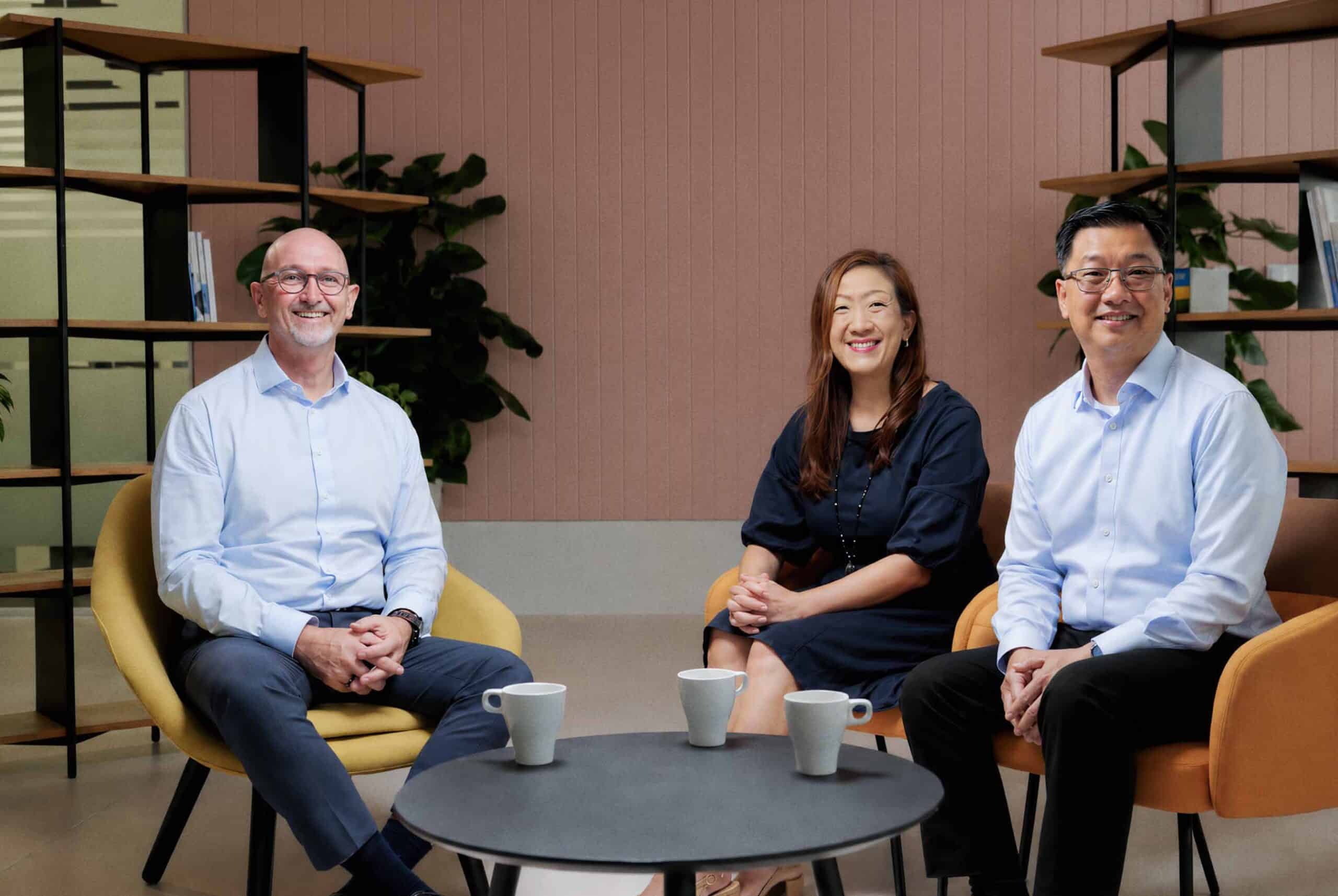
Dr Pauline Tay cared for her mother through 16 years of early-onset dementia without a formal diagnosis – and without one, no clinic would take her. In the latest BIG Questions episode, she and Roche’s Lance Little and James See explain why a timely answer is the first step in care
In the Asia-Pacific region, the burden of dementia is growing. By 2050, more than half of the world’s people with dementia – 71 million – will live in Asia-Pacific economies.1 Between 2020 and 2050, Alzheimer’s disease and other dementias will cost the global economy an estimated $14.5 trillion; East Asia and the Pacific will carry almost 40% of the cost.2
Many of those people will never be diagnosed. Even in Singapore, one of the region’s best-resourced health systems, 51.5% of older adults living with dementia had not been diagnosed in 2023 – an improvement on 70.6% a decade earlier, but still over half.3
That’s the diagnostic gap that Lance Little, Roche Diagnostics Managing Director Asia Pacific, highlights in the latest episode of BIG Questions. It’s a gap that Dr Pauline Tay, a Singaporean daughter and caregiver, is all too familiar with: twenty years ago, Pauline’s mother was herself living with undiagnosed neurological changes.
Here’s her story.
Pauline on the paper tests, and what the tests could not see.
In Singapore in the 2000s, cognitive tests were paper-based, and designed largely for Caucasian and literate populations. The tests were intended to detect Alzheimer’s disease or Parkinson’s disease and little else – but her mother wasn’t showing signs of either. She had what Pauline calls an “unclassified dementia”. And the hospital discharged her.4
Pauline on the clinic that would not take her mother, the police station, and the 16 years that followed.
The signs of Pauline’s mother’s cognitive decline were becoming more and more clear. She put her hand on a boiling kettle. She could no longer tell the inside of the house from the outside; when she was outside, she took off her clothes.4
On two separate occasions, Pauline’s mother got lost after the family allowed her to go to the washroom on her own, and she couldn’t find her way back. On one of those occasions they collected her, much later, from a police station.
The family described all of these events to doctors. But no test existed to confirm Pauline’s mother’s neurological changes4 – and no diagnosis meant no treatment was prescribed in the early stages of the disease.
The illness lasted around 16 years: three to four in the early stage. Two years in the mid stage – when her mother began to realise something was wrong with her and became violent, because a woman who had always cooked, bathed and gone out alone was now prevented from doing so by her own family.
Ten years in the late stage: bedridden, wheelchair-bound, and completely dependent. The family hired a full-time helper they had to train themselves, because so few people in Singapore knew how to care for a person with dementia.4
Her organs were fine; physically, Pauline’s mother was healthy.4 What mattered most was routine. Breakfast at seven, every morning – essentially fixed meal, activity and sleeping time – because people living with dementia struggle to deal with change.4
James on the radar and the compass.
A diagnosis doesn’t itself slow the progression of disease. It tells a family what lies ahead, so a routine, helper and support can be planned in good time.
James See, Roche Head of Clinician and KOL Value Stream, is candid that our understanding of brain health is “in the very, very early stages” compared with other disease areas. Twenty years ago, he says, getting a diagnosis was like trying to access an exclusive radar system, which is very complex and it’s only available for the privileged few.4
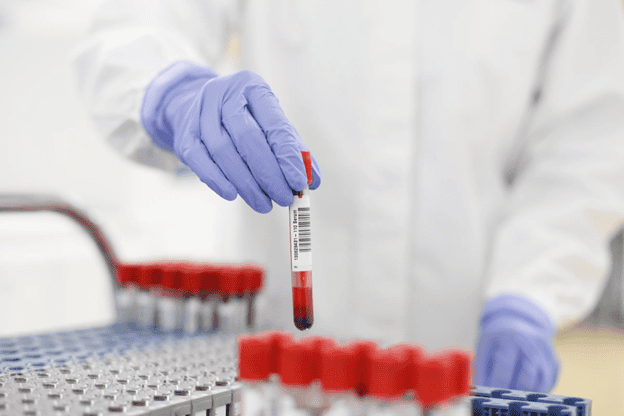
Now, though, blood-based biomarkers – proteins measurable in a standard blood draw that reflect the changes of Alzheimer’s disease in the brain – make the test available in a primary care setting.
We’re seeing, James says, the ability to shrink a very large, complex radar system into a simple clinic compass, where patients and families are able to find out a diagnosis or details of their disease condition, and actually make plans for their family.4
Evidence from primary care bears this out. In a study of blood biomarkers across primary and secondary care, family doctors correctly identified Alzheimer’s disease in 61% of patients with cognitive symptoms after a clinical examination, cognitive testing and a CT scan. With a blood test measuring the protein p-tau217, accuracy rose to 91%.5
Pauline adds a caveat: Singapore has since adapted some of its early tests for Alzheimer’s, Parkinson’s and mild cognitive impairment to fit the Asian population. But diagnosis is still largely symptom-based, and not yet clearly classified into the different types of brain disorder.4
Pauline on what would happen now.
Had Pauline’s mother been diagnosed with dementia today, a drug could be prescribed to delay the progression of cognitive decline. She may not have declined into the mid and late stages of neurological disorder so early. A care plan, meanwhile, would have told the family what to prepare for. Support groups, volunteers and activity centres now exist in Singapore to keep an older family member active and provide support to caregivers.4
None of that support is available to the family of a person with dementia who hasn’t been diagnosed or misdiagnosed. That’s the most important insight from Pauline’s story.
And it’s the case for equitable access to diagnostics and treatment across the Asia-Pacific region: getting people the right answer at the right time. Meeting patients where they are, with tests a local clinic can run and tools adapted to the populations they serve, so that appropriate treatment can be prescribed. Working with governments, care providers and community networks so that earlier diagnosis and treatment are made available, so that caregivers, family members and the patient themselves won’t be left stranded.4
Every dollar invested in early diagnosis, James says, saves health systems five times more downstream.4 Lance closes on the cost of delay. “When we delay innovation or lose commercialisation focus, the tax isn’t paid in dollars. It’s paid in years of isolation for families right here in Asia Pacific.” The value of diagnostic testing in neurology is the same as in oncology and cardiology: knowledge. “We’re giving caregivers the certainty they need to build a safe world for the people that they love.”4
Share
Link copied