

AI-enabled predictive continuous glucose monitoring devices can help prevent the overnight ‘lows’ feared by millions of people across the Asia-Pacific region
People living with insulin-treated diabetes tend to dread nightfall. The prospect of nighttime hypoglycemia — where blood sugar levels fall dangerously low, causing nightmares, sweating, morning headaches or more serious complications — can create extreme anxiety.
That anxiety isn’t unwarranted. Overnight lows can be a serious threat to health, responsible for an estimated 5-6% of deaths among people living with Type 1 diabetes under the age of 401. The mental and physical burdens of nocturnal hypoglycaemia, combined with the resulting lack of sleep, can make diabetes management an exhausting, all-consuming endeavour.
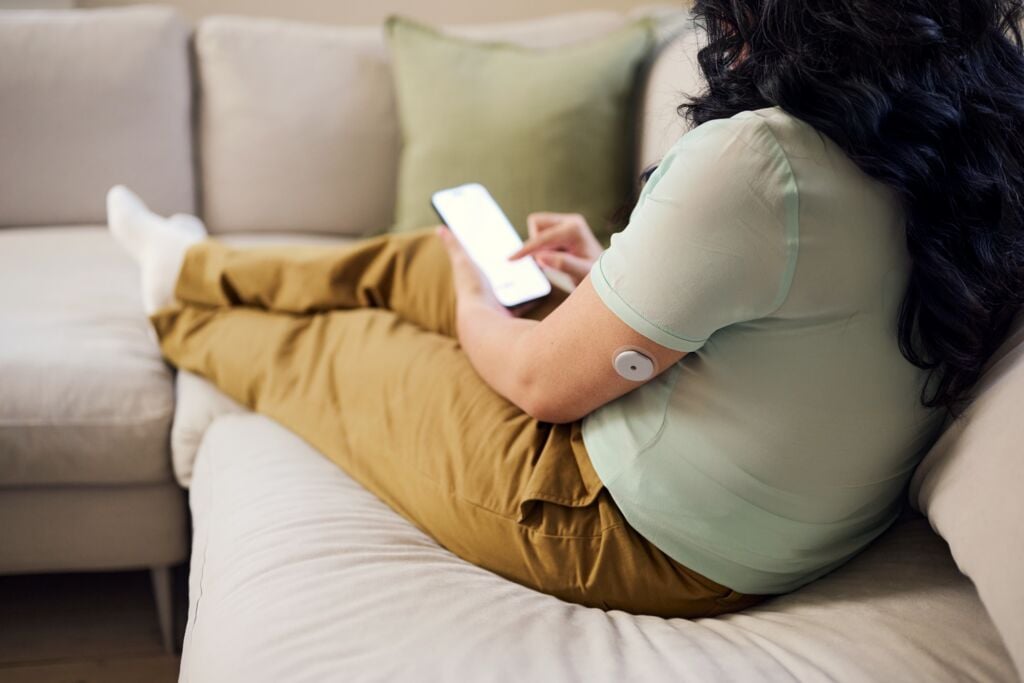
This is one of the problems AI-enabled predictive continuous glucose monitoring (CGM) can help address. Diabetes management has historically been reactive, relying on momentary snapshots of blood sugar via clinic visits, and later through self-monitoring of blood glucose (SMBG) using finger-pricks.
But AI-enabled CGM changes that. By predicting the future trajectory of a person’s blood sugar levels — in the next 30 minutes, two hours or overnight — it empowers that person to plan ahead2. It gives them the diagnostic insight to make the right treatment decision to avoid an overnight low, before it happens. The technology is estimated to reduce time spent in nocturnal hypoglycaemia by up to 37%3.
The clinical outcomes are significant. On average, people living with diabetes spend just three to six hours per year with a healthcare professional4. Otherwise, they’re on their own — managing daily blood sugar fluctuations and the risk of hypoglycaemic events. They’re making up to 180 treatment decisions per day5, every day, without clinical support.
With AI-enabled CGM, however, those scarce opportunities to consult a clinician become more valuable. With a clear overview of the patient’s diabetes therapeutic data available immediately in a mobile app dashboard, consultations can focus on what really matters, understanding the person’s needs.
The consultation can then become more solution-oriented, with a collaborative approach to responding to those needs. Research shows this can improve patients’ treatment adherence and motivation to meet their health goals6. AI-enabled CGM can also provide a structured visualisation of a patient’s diabetes data. This helps to draw attention to areas that might need intervention or treatment adjustment.
And over the longer term, the clinical benefits are clearer still. Intensive glycaemic control has been shown to reduce the risk or slow the progression of microvascular complications such as nerve damage, retinopathy and neuropathy for people living with both Type 1 and Type 2 diabetes7,8,9.
This translates into long-term economic benefits. Preventing hypoglycaemia with better diagnostic insights can reduce costs associated with days spent in hospital, changes to medications and visits to healthcare providers1,10.
All of which leads to one question: What if people living with diabetes didn’t have to live in fear of the night?
With AI-enabled CGM, they don’t. As millions more people are diagnosed across the Asia-Pacific region each year, the benefits are clear for every stakeholder: the systems that serve them, the clinicians who treat them, and the people bearing the burden — who, perhaps for the first time in many weeks or months, may get a better night’s sleep.
Share
Link copied