


Tuberculosis is preventable and curable. Yet it remains the world’s leading cause of death from a single infectious agent1 – one of the challenges in addressing the public health burden is finding people with TB infection who feel perfectly well.
Around a quarter of the world’s population has been infected with the bacteria that cause tuberculosis (TB).1 Most people with TB infection will never develop an active TB disease, and so will never know. The immune system keeps the bacteria under control, so they have no symptoms, no signs anything is amiss and are not contagious.
But at some point in their lives, between 5% and 10% of them develop TB disease.1 In 2024 alone, an estimated 10.7 million people fell ill with TB and 1.23 million died, with the World Health Organization South-East Asia and Western Pacific regions accounting for 61% of the TB incident cases.1,2 Some 8.3 million people were diagnosed with TB disease and accessed treatment.3 The remaining 2.4 million were either not diagnosed or were not counted in official figures.2
Closing that gap requires finding people with TB disease earlier while also preventing people with TB infection from progressing to TB disease. That challenge defined the media track at the 2nd Asia Pacific International Roche Infectious Disease Symposium (APAC-IRIDS 2026), held in Bangkok in July under the theme “Shifting Paradigms, Transforming Outcomes”, where 16 journalists joined a three-day programme co-developed with WAN-IFRA, the World Association of News Publishers.
TB is a spectrum.4 At one end sits TB infection: a person is infected with TB bacteria that are contained by the immune system. The person has no symptoms and is not contagious. At the other is active TB, or TB disease, which usually causes symptoms, can be transmissible to others, and can be fatal if untreated1.
A very large number of people are carrying an infection that may never trouble them. But in some people it can become active disease, particularly when the immune system weakens; young children, people living with HIV, and people with diabetes or undernutrition or other conditions that weaken the immune system or people at increased likelihood of exposure to TB disease are at the highest risk.1,3,4
The global response is largely focused on finding and treating people who have TB disease. This remains the cornerstone of TB elimination. Elimination, however, also requires finding TB infection in the appropriate group of patients and treating infection before it becomes disease.
TB infection is hard to suspect. People living with it have no symptoms, and their chest X-rays are usually normal.5 Panellists called for every confirmed TB case to trigger testing of eligible contacts for TB infection, and for wider testing among the groups at highest risk.⁴
Day one focussed on the newsroom rather than the laboratory. A journalist masterclass framed public health reporting as a question of media sustainability: how health coverage builds audience trust and supports the editorial initiatives that keep a title viable.
Health desks compete for resources like every other desk, and a beat that holds readers survives the next budget round.
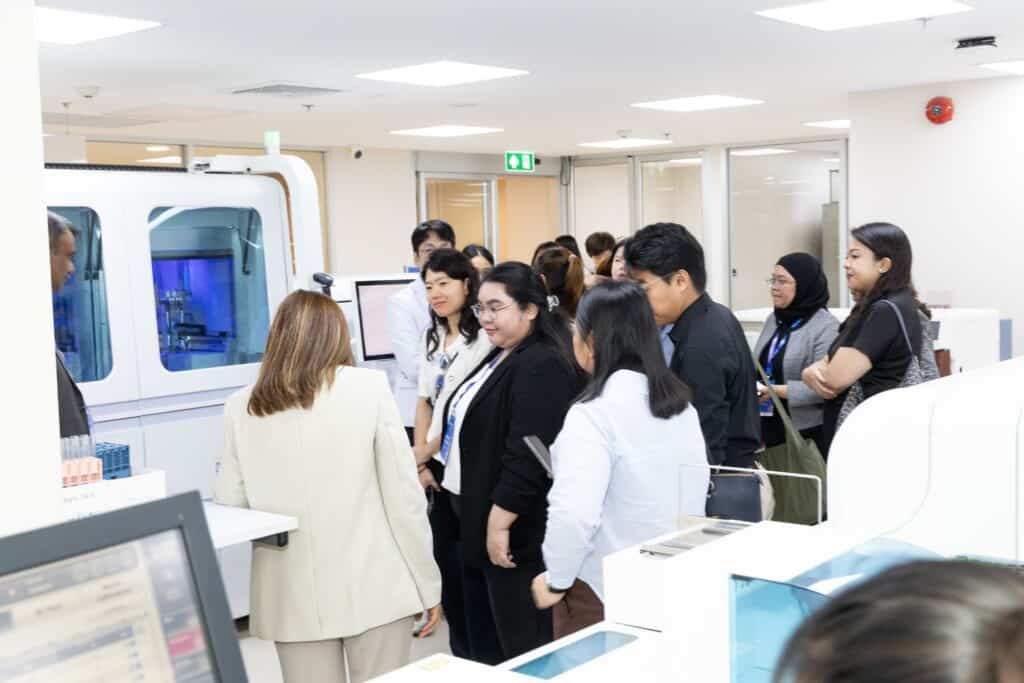
Day two opened with a symposium keynote, then took the cohort across the city to Piyavate Hospital, where the laboratory session followed a single question: what happens to a sample from a suspected TB disease patient between collection and result?
Seeing the lab workflow makes the stakes concrete in a way that no briefing document can. How quickly a result comes back, and whether it shows if the strain is drug-resistant, influences everything downstream. Getting that information quickly helps to guide appropriate treatment, particularly when drug resistance is suspected.
Day three belonged to the Diagnostics Media and Policy Forum and the interviews that followed. Dr Rugaiya (Guy) Calapis, who chairs the regional TB medical advisory committee for NCR-South in the Philippines, opened on the paradox of a curable disease that still kills.
The barrier is an accumulation of delays – a diagnosis that may take weeks, unavailability or delays in obtaining information about drug resistance, or a pathway that sends the same person back again and again – with a chance to drop out at every step.⁴ Finding people with active TB disease quickly is very important; those who have not been diagnosed continue to pass on the disease within their families and communities.⁴
Dr Razia Kaniz Fatima, a TB strategy adviser at the United Nations Office for Project Services (UNOPS), made the case for preventing TB disease by identifying TB infection in the groups most at risk. ⁴ “We must identify TB infection early, provide preventive treatment to those at risk, and ensure high-quality diagnostics are accessible to everyone.”⁴
Panellists stressed that earlier diagnosis of both TB disease and TB infection is critical to reducing transmission.⁴
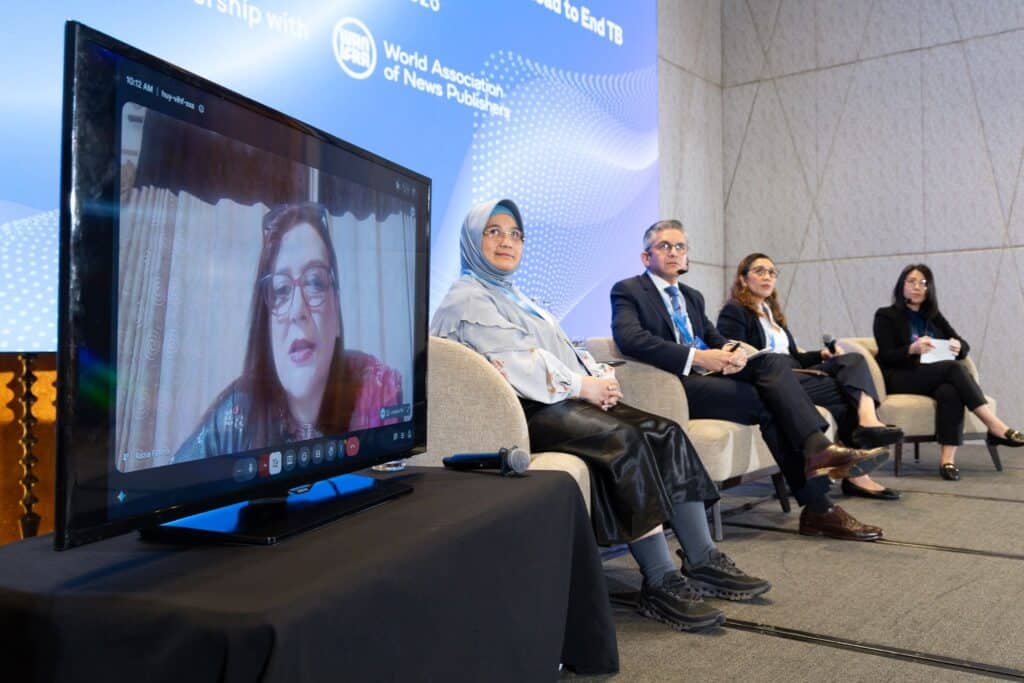
Stigma widens the diagnostic gap. Prof Erlina Burhan, of Universitas Indonesia and Persahabatan Hospital, described people delaying testing for fear of discrimination, job loss or exclusion from their communities.4
A reporter from Pakistan asked what the press consistently gets wrong. When notifications rise, the panel said, coverage tends to report a spreading epidemic – but what has usually happened is that a programme has started finding the cases it was previously missing.6
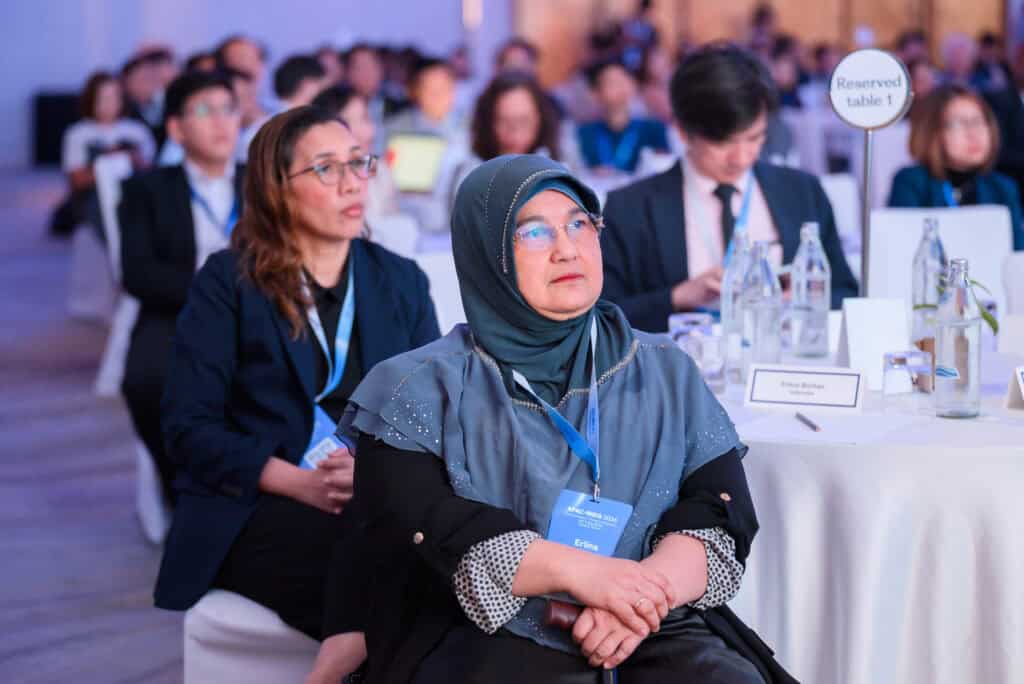
Prof Burhan’s closing request was blunt: eliminate stigma, screen communities actively for both TB disease and TB infection, and keep TB in the news between the set-piece moments.⁴
The programme closed with a side of TB the statistics don’t show. Jugg Chawin Chitsomboon, a Thai musician who now advocates for TB patients, gave the cohort an account of the patient’s experience of the diagnostic journey.
That perspective is why a media programme belongs at a diagnostics symposium. Shortening the time between a persistent cough and a confirmed diagnosis depends on laboratories, referral networks, financing and political will.
It also depends on public understanding. Many people do not recognise TB symptoms and delay seeking care,⁴ and identifying and treating TB infection in people at higher risk has received far less attention than treating TB disease.⁴ Health reporting can help to close both gaps.
Every week saved is a week someone spends at home, in good health, instead of passing on an infection to someone else. The 16 reporters who flew home from Bangkok can help make sure that happens.
Share
Link copied